In the rapidly evolving landscape of fintech, effective enterprise risk management (ERM) is integral to navigating the complexities of compliance, security, and operational resilience. Pex Fintech‘s comprehensive assessment of ERM practices underscores the necessity for organizations to proactively identify and mitigate risks that could jeopardize their business objectives. With regulatory pressures intensifying and cybersecurity threats on the rise, understanding enterprise risk is more crucial than ever for decision-makers aiming to safeguard their investments and brand reputation.
This assessment provides valuable insights into evaluating current risk management frameworks, revealing the potential return on investment through enhanced operational efficiency and strategic agility. As you delve deeper, prepare to discover actionable strategies that align innovative fintech solutions with robust risk management, ensuring your organization not only thrives in today’s market but also prepares for the challenges of tomorrow.
Pex Fintech: Understanding Enterprise Risk Management
To thrive in the ever-evolving fintech landscape, understanding enterprise risk management is crucial for organizations like Pex Fintech. In the face of increasing scrutiny from regulators and a volatile market environment, fintech companies are finding themselves at a crossroads where comprehensive risk assessment becomes an indispensable pillar of their operational strategy. The ability to foresee, identify, and mitigate risks not only safeguards the organization but also enhances the trust of customers and partners alike.
A well-structured enterprise risk management framework at Pex Fintech should encompass several key components. First and foremost, risk identification and assessment must be continuous processes, as the fintech industry is notorious for its rapid changes. Engaging in quantitative and qualitative risk analysis enables the organization to prioritize risks based on their potential impact on business objectives. Furthermore, implementing robust internal controls and governance structures can create a resilient operational backbone that withstands both internal and external pressures.
By leveraging advanced data analytics and scenario modeling, Pex Fintech can perform financial risk analysis more effectively. Utilizing tools such as machine learning algorithms and predictive analytics, fintechs can forecast potential risk events and assess their financial implications with greater accuracy. Moreover, understanding regulatory compliance risks is paramount; staying compliant not only mitigates legal risks but also reinforces the organization’s credibility and standing in the market. Given the stringent regulations governing financial transactions and data privacy, having a dedicated compliance framework is integral to managing these risks effectively.
As fintech increasingly incorporates cutting-edge technologies like blockchain, the landscape of risk assessment is poised for transformation. The integration of digital tools brings about new opportunities, along with a set of challenges in ensuring cybersecurity and protecting sensitive financial data. Pex Fintech must not only adopt best practices in operational risk management but also cultivate a culture that emphasizes risk awareness across all levels of the organization. This holistic approach will enable Pex Fintech not only to navigate today’s complex risk environment but also to thrive in the future.
The Importance of Comprehensive Risk Assessment in Fintech
In today’s fast-paced fintech environment, a failure to assess risks comprehensively can lead to significant financial losses and reputational damage. As organizations like Pex Fintech navigate through complex markets, the stakes have never been higher. Comprehensive risk assessment is not just a regulatory requirement; it is a vital strategy that can make or break a fintech firm’s sustainability and competitive edge. By proactively identifying potential risks-including market fluctuations, cybersecurity threats, and compliance issues-companies can create robust frameworks that serve to protect customer interests and enhance operational integrity.
The significance of a comprehensive risk assessment lies in its ability to foster informed decision-making. Risk assessments that encompass a thorough analysis of both internal and external risks allow fintechs to allocate resources efficiently. For instance, organizations can prioritize investments in cybersecurity measures or compliance solutions based on their unique risk profiles. Implementing quantitative and qualitative evaluation methods ensures that risks are not only identified but also quantified, enabling firms to make data-driven decisions that align with their business objectives.
Moreover, the evolving regulatory landscape necessitates a dynamic approach to risk management. Fintech companies like Pex must stay ahead of regulations, which can often change rapidly. A comprehensive risk assessment helps in maintaining compliance, as it systematically identifies potential regulatory breaches before they occur. This proactive approach not only minimizes legal repercussions but also builds trust with customers and stakeholders, enhancing brand reputation in the long run.
In a sector where trust is paramount, taking a comprehensive view of risk assessment transforms it from a mere compliance exercise into a core aspect of business strategy. It equips fintech leaders with the insights needed to anticipate challenges and seize opportunities, ultimately demonstrating to investors and customers that the organization is committed to operating with integrity and foresight. By embedding comprehensive risk assessment into their culture, firms like Pex Fintech are not just managing risks-they are paving the way for sustainable growth and innovation.
Key Components of Enterprise Risk Management Framework
An effective enterprise risk management (ERM) framework is essential for organizations like Pex Fintech to navigate the complex landscape of financial technology successfully. By establishing a structured approach to risk, fintech firms can identify potential threats early and respond proactively, enhancing resilience and ensuring compliance with regulatory standards. The foundation of a robust ERM framework includes several key components that not only protect the organization but also promote sustainable growth.
Risk Identification
The first step in the ERM process is risk identification, which involves recognizing potential risks that could impact the organization. In a fintech setting, these could range from cybersecurity breaches to market volatility. To facilitate this, firms can utilize tools like risk assessments, workshops, and interviews with key stakeholders. Regularly reviewing and updating risk inventories is crucial, as the fintech environment is continuously evolving and may expose organizations to new challenges.
Risk Assessment and Analysis
Once risks are identified, fintech companies must engage in risk assessment and analysis. This stage includes evaluating the likelihood and impact of each risk using both qualitative and quantitative methods. For instance, firms can categorize risks based on their severity, utilizing a risk matrix to prioritize which ones require immediate attention. Implementing metrics to quantify risks allows for informed decision-making, enabling the organization to allocate resources effectively based on its unique risk profile.
Risk Mitigation Strategies
After assessing risks, developing and implementing risk mitigation strategies becomes paramount. These strategies might include investing in technology for enhanced cybersecurity, establishing comprehensive compliance programs, or diversifying service offerings to minimize financial exposure. Moreover, continuous monitoring of the effectiveness of these strategies through key performance indicators (KPIs) ensures that the organization adapts swiftly to changing conditions and emerging threats.
Communication and Culture of Risk Awareness
Finally, fostering a communication and culture of risk awareness within the organization enhances the ERM framework. Ensuring that all employees understand the risks associated with their roles and responsibilities facilitates a proactive approach to risk management. Training and open dialogue encourage a culture where employees feel empowered to report concerns and suggest improvements. This approach not only strengthens the firm’s overall risk posture but also builds a sense of ownership and accountability among staff.
In summary, a well-structured ERM framework that incorporates risk identification, assessment, mitigation, and a culture of awareness empowers fintech companies like Pex to navigate their complex environments effectively. By prioritizing these elements, organizations can not only protect themselves from potential risks but also position themselves for long-term success and innovation in the financial technology sector.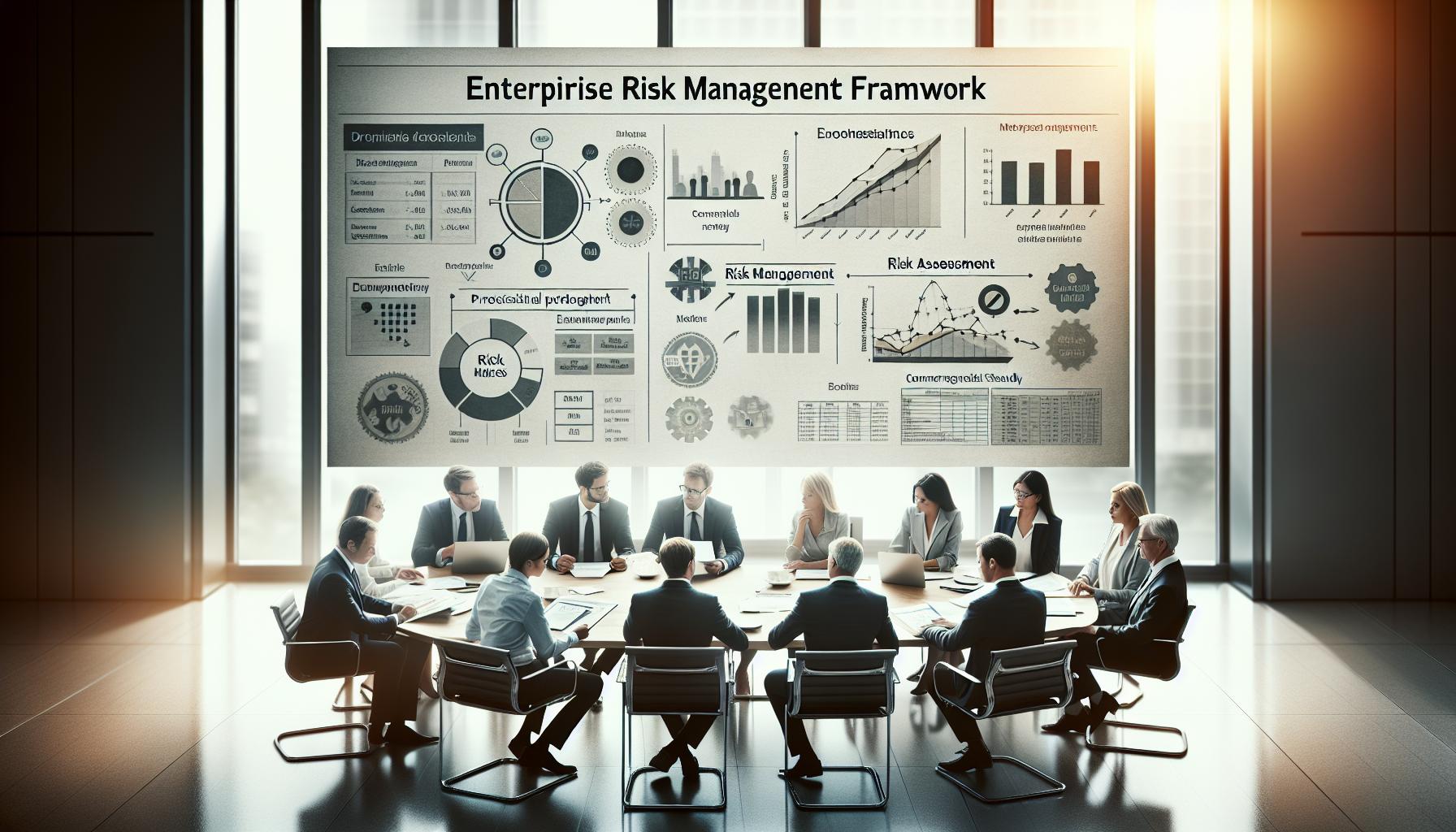
Analyzing Financial Risk: Tools and Strategies
Financial risk remains a central concern for fintech companies, given their dependence on technology and the volatile nature of markets in which they operate. To effectively manage these risks, organizations like Pex Fintech need to leverage a variety of tools and strategies that not only detect potential financial pitfalls but also enhance decision-making processes.
One of the most effective tools for analyzing financial risk is a robust Risk Management Information System (RMIS). This system aggregates data from multiple sources, offering insights into market conditions, creditworthiness, and operational efficiencies. For example, by utilizing predictive analytics and machine learning algorithms, fintech companies can identify trends and forecast potential market shifts, allowing them to act preemptively to mitigate risks before they manifest as financial losses.
In addition to technology, a structured approach to scenario analysis is crucial. This involves creating models that simulate various economic conditions-such as recessions or regulatory changes-and assessing their impacts on the firm’s financial health. By conducting regular stress tests and scenario analyses, Pex Fintech can evaluate the resilience of its capital structure and liquidity under adverse conditions, helping to ascertain areas of vulnerability.
Furthermore, establishing a diverse portfolio is a risk-reduction strategy that cannot be overlooked. By spreading investments across different sectors or asset classes, fintech firms can minimize the impact of downturns in any single area. Additionally, fintechs should consider integrating advanced hedging strategies, including derivatives, to manage exposure to currency fluctuations, interest rates, and other market risks.
Ultimately, a comprehensive financial risk analysis will combine quantitative assessments with qualitative insights from subject matter experts about emerging economic trends. This holistic approach not only equips firms to navigate today’s uncertainties but also positions them for sustained growth in an inherently unpredictable financial landscape. Emphasizing continuous monitoring and adaptive strategies ensures that Pex Fintech remains responsive to evolving risks and opportunities, establishing a competitive edge in the fast-paced fintech market.
Navigating Regulatory Compliance Risks in Fintech
Navigating the complex landscape of regulatory compliance is essential for fintech organizations striving to maintain operational integrity while rapidly innovating. Regulatory bodies across global markets are increasingly scrutinizing fintech operations, demanding heightened transparency and compliance with evolving laws. Failure to meet these requirements can lead to severe penalties, reputational damage, and even operational shutdowns.
To effectively navigate these regulatory compliance risks, organizations like Pex Fintech should adopt a proactive compliance management framework. This framework should be built on a foundation of continuously updated knowledge of applicable regulations, such as the General Data Protection Regulation (GDPR) in Europe, the Bank Secrecy Act (BSA) in the United States, and various anti-money laundering (AML) directives. Implementing a dedicated compliance team trained in these regulations is crucial for identifying potential compliance gaps and responding swiftly to regulatory changes.
Moreover, leveraging advanced technologies can streamline compliance processes. For example, automated compliance solutions powered by artificial intelligence (AI) can monitor transactions in real-time for suspicious activity, thus minimizing the risk of regulatory infractions. Additionally, developing robust APIs that facilitate seamless sharing of compliance data with regulators can enhance transparency and build trust with stakeholders. The integration of such technologies allows for effective data governance, ensuring that customer information is handled in accordance with regulatory standards while enhancing operational efficiencies.
Incorporating a culture of compliance within the organization is another critical aspect. This involves training all employees on regulatory standards and creating a transparent communication framework where compliance concerns can be raised without fear of reprisal. Regular audits and compliance assessments can help reinforce accountability at every level of the organization, ensuring that compliance remains a priority as the business scales.
Ultimately, the ability to adeptly manage regulatory compliance not only mitigates risks but also fosters a competitive advantage. By demonstrating robust compliance practices, Pex Fintech can enhance its reputation, build customer trust, and position itself favorably for future growth in the dynamic fintech marketplace.
Cybersecurity Challenges and Risk Mitigation Strategies
As fintech continues to reshape the financial landscape, the sector faces a daunting array of cybersecurity challenges that could undermine its innovations and consumer trust. Cybersecurity incidents in fintech are not just a matter of technical compliance but represent a significant risk to the very fabric of organizational integrity and customer relationships. For example, Ponemon Institute’s studies suggest that the average cost of a data breach can exceed $4 million, making it crucial for fintech companies to adopt proactive strategies.
Implementing a comprehensive cybersecurity framework involves several key strategies:
Proactive Security Posture
First, a shift toward a proactive security posture is essential. This means moving beyond traditional reactive measures to anticipate potential threats. Continuous vulnerability assessments and penetration testing can identify weak spots before they are exploited. Incorporating advanced tactics, such as adversarial attack simulations, can provide invaluable insights into the security layer of applications and networks.
Employee Training and Awareness
Another pivotal element is investing in employee training and awareness. Human error is frequently cited as a significant factor in successful cyberattacks. Regular training sessions on phishing and social engineering tactics, coupled with an emphasis on secure password practices, can greatly reduce risks. Establishing a culture of vigilance and accountability ensures that every team member understands their role in maintaining cybersecurity.
Data Encryption and Access Controls
Implementing data encryption enhances the security of sensitive customer information. With encryption, even if data is intercepted, it remains unreadable without the proper keys. Combining this with strict access controls limits data exposure to only those individuals who genuinely require access for legitimate business purposes. This layered approach creates redundancy that can significantly mitigate potential breaches.
Incident Response and Recovery Planning
No system is infallible, and thus having a robust incident response plan is vital. Fintech firms should develop and regularly test their incident response strategies to ensure preparedness for various scenarios, such as data breaches or ransomware attacks. Effective plans not only outline immediate responses but also detail steps for recovery and communication with stakeholders, thereby preserving trust and transparency in crises.
By addressing these challenges head-on and implementing comprehensive risk mitigation strategies, Pex Fintech can not only safeguard its operations but also reinforce its commitment to security in an increasingly regulated and competitive market. This proactive approach will enhance customer confidence and ultimately drive sustainable business growth.
Operational Risk Management: Best Practices in Pex Fintech
Navigating the complexities of operational risk is paramount for Pex Fintech as the industry continues to evolve rapidly. The interplay between innovation, technology, and risk management could define the competitive edge for fintech organizations. Operational risks, which encompass the potential for loss from inadequate or failed internal processes, people, and systems, demand a proactive and structured approach to not only safeguard assets but also ensure compliance with escalating regulatory standards.
A fundamental practice in operational risk management involves the implementation of a robust framework that integrates risk identification, assessment, and mitigation. This can be achieved through systematic risk assessments that evaluate various operational processes, focusing on identifying weak links that could expose the organization to vulnerabilities. The use of Key Risk Indicators (KRIs) allows organizations to monitor risk levels continuously and to implement corrective measures before issues escalate. Pex Fintech should not only establish these indicators but maintain a dynamic risk register that adapts to changing business landscapes.
One effective strategy for managing operational risks includes fostering a culture of transparency and accountability throughout the organization. All employees, from entry-level to executive, should be engaged in risk management processes. Regular training sessions that highlight operational risk scenarios relevant to the organization’s functions can empower staff to identify and report potential risks. Additionally, encouraging a ‘speak-up’ culture, where employees feel comfortable discussing concerns without fear of repercussion, can unearth risks that may otherwise go unnoticed.
Technologically, leveraging data analytics tools and real-time monitoring can significantly enhance the capability of Pex Fintech to predict and manage operational risks. For instance, using predictive analytics can help in identifying potential operational failures or bottlenecks before they occur, allowing for swift action to minimize impact. Integrating these tools with existing systems fosters an agile operational framework that aligns with business objectives while entwining risk management tightly into the company’s DNA.
Lastly, it is crucial for fintech organizations to stay abreast of regulatory changes and to ensure compliance across all operational facets. Establishing regular audits and reviews not only helps in maintaining compliance but also provides an opportunity for continuous improvement. Collaborating with industry peers and regulatory bodies can offer insights into best practices and forthcoming regulatory challenges, keeping Pex Fintech ahead of the curve. Implementing these best practices offers a comprehensive approach that supports sustainability and resilience in an increasingly regulated and competitive environment.
Impact of Technology on Risk Assessment Practices
The rapid evolution of technology in the fintech sector has fundamentally transformed risk assessment practices, enabling organizations like Pex Fintech to approach enterprise risk management with greater precision and agility. Modern tools powered by data analytics, artificial intelligence (AI), and machine learning (ML) are redefining how risks are identified, measured, and mitigated. For instance, fintech firms are now able to leverage predictive modeling techniques to forecast potential risks before they escalate into significant issues, thus enhancing proactive management strategies.
Enhanced Analytics for Real-Time Risk Monitoring
Data analytics tools have become indispensable in facilitating real-time risk monitoring and decision-making. By integrating vast amounts of transaction data and customer behavior patterns, organizations can detect anomalies that may indicate fraudulent activity or compliance breaches. Utilizing platforms that utilize AI can automate the analysis of this data, resulting in faster insights and the ability to act swiftly. For example, advanced algorithms can sift through millions of transactions to identify unusual patterns within seconds, enabling Pex Fintech to flag potential risks proactively.
Automated Compliance Management
Regulatory compliance is a significant challenge for fintech companies, and technological advancements present solutions that can ease this burden. Automated compliance management systems can track regulatory changes across multiple jurisdictions and incorporate updates into existing risk management frameworks. Such tools help Pex Fintech maintain compliance effortlessly while minimizing human error associated with manual processes. Additionally, these systems can generate automated reports, ensuring transparency and facilitating audits, thus bolstering the firm’s credibility in the market.
Collaboration and Integration via APIs
Technology plays a critical role in fostering collaboration across different applications through Application Programming Interfaces (APIs). APIs allow fintech platforms to integrate with other software solutions, enabling a more holistic view of enterprise risk. By connecting various risk assessment tools, Pex Fintech can consolidate data from disparate sources, ensuring that all potential risks are visible and actionable. This interconnectedness allows for more comprehensive risk evaluations and streamlines response strategies across the organization.
To fully capitalize on the benefits of these technological advancements, Pex Fintech must remain adaptable and keenly aware of industry shifts. Continuous learning and investment in cutting-edge technologies are essential to enhance risk assessment practices further and ensure sustainable growth in a competitive landscape. By focusing on these innovative approaches, Pex Fintech can build a resilient enterprise risk management framework that not only addresses current challenges but also anticipates future risks effectively.
Case Studies: Successful Risk Management in Fintech
In today’s rapidly evolving fintech landscape, successful risk management is more vital than ever, as demonstrated by leading firms that have navigated complex regulatory environments and technological challenges. Take, for instance, the case of a prominent digital lending platform that implemented an innovative risk assessment framework using real-time analytics and AI-driven tools. By integrating predictive modeling, the firm was able to identify and rectify credit risks before they matured, reducing default rates by over 30%. This proactive approach not only enhanced their risk profile but also improved customer satisfaction rates, as clients appreciated swift and fair lending decisions.
Another compelling example comes from a payment processing company that faced significant compliance hurdles. In response, they developed an automated compliance management system that utilized APIs to connect various regulatory databases, thus allowing continuous monitoring of their operational practices against evolving laws. This initiative not only simplified their compliance processes but also reduced manual errors, which in turn decreased the likelihood of costly fines. As a result, the firm experienced an increase in operational efficiency, enabling them to focus more on core business strategies rather than struggling with compliance maintenance.
Moreover, a notable investment firm embraced a culture of cybersecurity awareness following a series of industry-wide breaches. They instituted regular training for employees on best practices and utilized advanced cybersecurity tools to monitor potential threats in real time. This comprehensive risk management strategy resulted in a drastic decrease in cybersecurity incidents, positioning the firm as a trusted player in an environment where investors are increasingly concerned about data security.
These case studies underline the importance of comprehensive risk management strategies in fintech, highlighting how organizations can leverage technology and foster a culture of awareness to not only mitigate risks but also drive sustainable growth. By learning from these examples, other fintech organizations can enhance their enterprise risk management frameworks, ultimately positioning themselves for long-term success in a competitive marketplace.
Future Trends in Enterprise Risk Management for Fintech
In the rapidly evolving fintech landscape, organizations must stay ahead of several emerging trends in enterprise risk management to enhance resilience and operational efficiency. As the regulatory framework becomes more complex and technology continues to reshape the financial services sector, fintech companies are adopting innovative strategies to navigate these challenges successfully. A key trend is the integration of advanced data analytics and artificial intelligence (AI) into risk management processes. These technologies enable real-time risk assessment, allowing firms to identify vulnerabilities more rapidly and proactively address them before they escalate.
Risk Awareness through Automation and Blockchain
Another important shift is the move towards automated compliance and risk management solutions. By leveraging tools such as Application Programming Interfaces (APIs) to streamline data sharing and compliance checks, organizations can enhance operational efficiency while maintaining adherence to evolving regulatory requirements. Furthermore, blockchain technology is gaining traction for its potential to provide immutable records and improve the transparency of transactions. As fintech innovators explore these capabilities, the focus is not only on enhancing security but also on building trust with customers and regulators alike.
A Culture of Cybersecurity Resilience
As cyber threats become increasingly sophisticated, there is a growing imperative for fintech firms to cultivate a culture of cybersecurity resilience. Regular training programs and robust incident response plans are essential components of this strategy. Additionally, utilizing advanced threat detection systems that leverage machine learning can help organizations stay one step ahead of potential breaches, fostering a safer environment for sensitive financial data. Companies that prioritize cybersecurity will not only reduce their risk profile but also enhance their reputation, reinforcing customer trust.
Embracing a Dynamic Risk Management Framework
Lastly, the future of enterprise risk management in fintech will likely see an evolution towards more dynamic and flexible risk management frameworks. Embracing a risk-aware culture that prioritizes ongoing education and adaptation will enable organizations to respond swiftly to market shifts, technological advancements, and regulatory changes. By fostering an agile mindset, fintech companies can better align their risk management practices with their overall business strategies, ensuring they remain competitive and compliant in an increasingly complex landscape.
As these trends unfold, it is critical for fintech leaders to take a proactive approach in investing in sophisticated risk management tools, cultivating an informed workforce, and integrating compliance seamlessly within their operational frameworks. By doing so, they can effectively mitigate risks and capitalize on opportunities for sustainable growth in the fintech arena.
Building a Risk-Aware Culture in Financial Organizations
In today’s rapidly shifting financial landscape, the stakes have never been higher for organizations seeking to foster a culture of risk awareness. A robust risk-aware environment is essential not only for regulatory compliance but also for sustaining competitive advantage. Given that fintech companies are often at the forefront of innovation yet face significant operational and regulatory complexities, instilling a proactive risk culture can empower teams to navigate uncertainties more effectively. Companies that lead with a culture of vigilance and accountability are better equipped to identify potential pitfalls early and address them before they escalate into costly crises.
One key strategy for embedding a risk-aware culture is to ensure that risk management is integrated into the core fabric of the organization. This can be achieved by establishing clear communication channels where risk-related discussions are prioritized at all levels-from senior executives to frontline employees. Regular training sessions that emphasize the importance of risk awareness not only educate teams but also motivate them to take ownership of their part in maintaining compliance and safeguarding sensitive information. Incorporating real-life scenarios in training can provide practical insights, enabling employees to recognize risks in their day-to-day operations.
Empowering Employees through Technology
Leveraging technology is another powerful way to cultivate a risk-aware culture. For instance, implementing advanced analytics and reporting tools allows teams to access real-time data on potential risks, making them more responsive and informed in their decision-making processes. Furthermore, tools such as Machine Learning and Artificial Intelligence can help in identifying patterns of behavior that indicate emerging risks. By automating routine risk management tasks, employees can focus more on strategic analysis, thereby enhancing their capability to contribute to the organization’s overall risk posture.
Establishing Leadership Commitment
Leadership commitment is critical in fostering a risk-aware culture. When leaders actively advocate for risk management practices and demonstrate this commitment through their actions, it sends a powerful message throughout the organization about the significance of vigilance and preparedness. Aligning risk management objectives with business goals ensures that every team recognizes its role in achieving compliance and operational excellence. Moreover, measuring and rewarding risk-aware behaviors can reinforce the value placed on compliance and risk management within the entire organization.
In conclusion, , particularly in fintech, is a multifaceted endeavor that requires a commitment to education, technology integration, and visible leadership advocacy. When employees understand the importance of risk management and can effectively utilize tools at their disposal, organizations can not only protect themselves from potential threats but also enhance their operational efficiency and market position. Embracing a proactive culture not only mitigates risks but also empowers organizations to seize opportunities in an increasingly competitive landscape.
Comparative Analysis: Leading Risk Management Solutions in Fintech
In the dynamic world of fintech, where innovation and regulatory demands intersect, businesses must navigate a multitude of risks to remain competitive. Choosing the right enterprise risk management (ERM) solution is vital for mitigating potential threats and ensuring compliance. This comparative analysis will examine leading risk management solutions tailored for the fintech industry, focusing on their unique offerings, capabilities, and how they align with the key challenges faced by fintech organizations.
A robust ERM solution must effectively address various risk dimensions, including financial, operational, regulatory, and cybersecurity risks. Solutions such as RiskLens, LogicManager, and MetricStream have emerged as front-runners in the fintech landscape, each providing distinctive features and benefits:
RiskLens
This platform employs a quantitative approach to risk management, allowing firms to model risks in financial terms. By applying a fair value of risk methodology, businesses can prioritize risk mitigation efforts based on potential financial impacts. RiskLens is particularly beneficial for organizations looking to enhance the credibility of their risk assessments and communicate risk-related insights to stakeholders more effectively.
LogicManager
Offering a user-friendly interface, LogicManager focuses on integrating risk management into daily decision-making processes. Its risk management software emphasizes collaboration and visibility, enabling teams to report risks across their enterprise. Fintech firms benefit from its scenario analysis tools, which assist in visualizing the possible impacts of potential regulatory changes or market fluctuations.
MetricStream
Known for its extensive compliance management capabilities, MetricStream provides a comprehensive suite of features that cater specifically to regulatory challenges. Its solution integrates seamlessly with existing financial systems, ensuring live data feeds that help firms remain compliant across multiple jurisdictions. By automating compliance workflows and reporting, MetricStream helps fintech organizations reduce operational overhead while enhancing their risk visibility.
When evaluating these platforms, fintech leaders should consider key factors such as integration capabilities, user interface design, and the ability to provide real-time data analytics. A comparison of these features can aid in selecting a solution that not only meets compliance demands but also enhances risk management processes across the organization.
Moreover, it is essential to incorporate case study insights and industry research to underscore the effectiveness of these solutions. For instance, organizations leveraging RiskLens have reported improved risk communication, leading to better-informed decision-making. Meanwhile, MetricStream clients have noted significant reductions in compliance-related penalties due to enhanced visibility and proactive compliance measures.
Ultimately, the right risk management solution should align with the strategic goals of the fintech organization while ensuring that risks are managed effectively and efficiently. As the regulatory landscape continues to evolve, choosing a flexible, scalable ERM solution will empower firms to adapt and thrive in an increasingly complex environment.
Frequently asked questions
Q: What are the benefits of comprehensive risk assessment in fintech?
A: Comprehensive risk assessment in fintech significantly enhances decision-making by identifying potential threats early, improving compliance with regulations, and optimizing operational efficiency. This proactive approach safeguards organizations against financial losses and builds stakeholder trust, ultimately contributing to sustainable growth.
Q: How does Pex Fintech’s enterprise risk management framework differ from traditional methods?
A: Pex Fintech’s framework integrates advanced technology and data analytics alongside traditional risk assessment techniques. This approach facilitates real-time monitoring of risks and enables more agile responses to emerging threats, enhancing overall risk resilience compared to conventional methods.
Q: What role does technology play in enterprise risk management for fintech?
A: Technology streamlines enterprise risk management by automating risk assessments, providing data analytics for informed decision-making, and enhancing cybersecurity measures. Utilizing tools like AI and machine learning can lead to more precise predictions of potential risks and improve overall responsiveness.
Q: How can fintech companies ensure regulatory compliance through risk management?
A: Fintech companies can ensure regulatory compliance by integrating compliance checks within their risk management framework. Regular audits, maintaining detailed documentation, and employing compliance technology solutions aid in staying updated with evolving regulations and mitigate compliance risks effectively.
Q: What common cybersecurity risks do fintech companies face?
A: Common cybersecurity risks for fintech companies include data breaches, phishing attacks, and payment fraud. Implementing robust security measures, such as encryption and multi-factor authentication, along with conducting regular security audits, can significantly reduce these vulnerabilities and protect customer data.
Q: When should fintechs conduct their risk assessments?
A: Fintechs should conduct risk assessments regularly and ad-hoc whenever there are significant changes in operations, such as the introduction of new technologies, services, or regulatory changes. This ensures a proactive stance in recognizing and mitigating potential risks promptly.
Q: Why is building a risk-aware culture important in fintech?
A: A risk-aware culture encourages all employees to recognize, communicate, and manage risks actively, leading to timely interventions and better decision-making. This cultural shift enhances organizational resilience, ensuring that risk management is a shared responsibility across the company.
Q: What are best practices for operational risk management in fintech?
A: Best practices for operational risk management include defining clear roles and responsibilities, utilizing data-driven insights for monitoring risk exposures, conducting regular training for staff, and implementing comprehensive incident response plans. These steps allow fintech organizations to identify and mitigate operational risks effectively.
Closing Remarks
In today’s rapidly evolving fintech landscape, robust enterprise risk management is not just a necessity-it’s a strategic advantage. Our comprehensive assessment empowers you to not only understand the complexities of risk but also to harness the insights that drive your business’s growth and compliance. Take decisive action now to integrate these frameworks into your organization and safeguard your future.
To deepen your knowledge, explore our related articles on fintech regulations and effective risk communication, designed to equip you with the tools for navigating challenges in banking, payments, and compliance. Don’t hesitate-consider scheduling a consultation with our experts today to personalize your risk management strategy.
Join the conversation below to share your thoughts or queries. We welcome your insights and encourage you to revisit our resources as you embark on this crucial journey toward securing your business and maximizing its potential. Your path to stronger enterprise risk management begins now!
Get our latest guides, news, and insights highlighted in your Google Search & AI Overviews.