As businesses increasingly adapt to a cashless world, the growth of handheld POS systems is transforming payment landscapes. Evaluating Fintech companies like Stera offers critical insights into operational efficiency, customer engagement, and profitability. Handheld POS solutions not only streamline transactions but also enhance a merchant’s ability to meet evolving consumer demands in a digital era. Understanding Stera’s offerings can illuminate how technology can create competitive advantages, drive financial inclusion, and empower businesses to thrive in today’s fast-paced environment. This article delves into the essential features, benefits, and potential challenges of integrating Stera’s handheld POS solutions, positioning you to make informed decisions that bolster your business strategy. Stay with us as we uncover how this innovative fintech player can redefine your payment processes and influence your bottom line.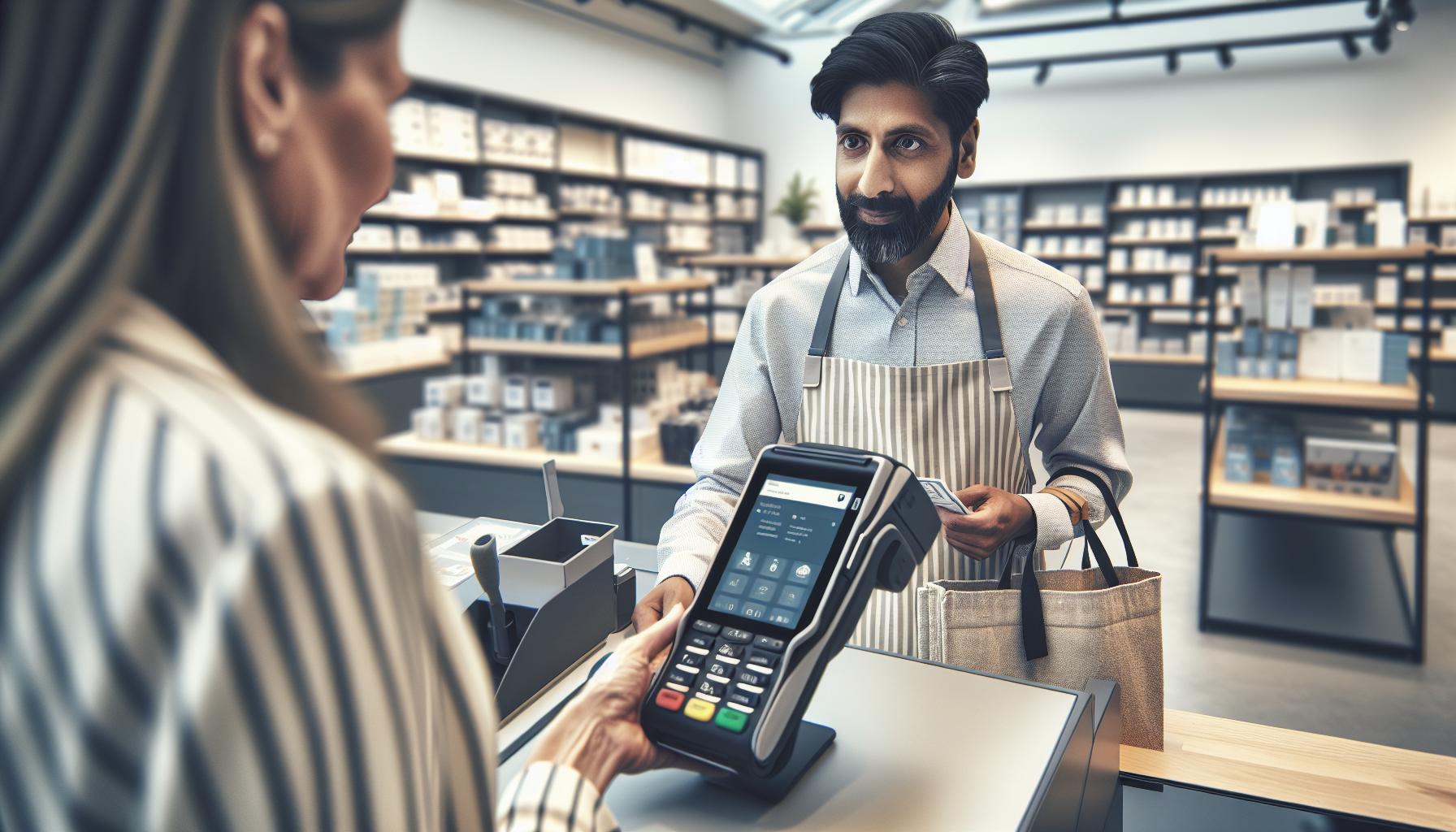
Understanding the Handheld POS Market Landscape
The handheld POS market is experiencing significant growth as businesses increasingly seek convenience and efficiency in transaction processing. With the rise of mobile commerce, handheld point-of-sale (POS) systems have emerged as essential tools for various industries, enabling retailers, restaurants, and service providers to process transactions seamlessly on the go. A compelling insight is that, according to industry forecasts, the handheld POS market is projected to expand significantly due to the growing demand for mobile payment solutions. Businesses are evolving to meet consumer preferences for more flexible and personalized shopping experiences.
Handheld POS systems leverage mobile technology to streamline sales processes, reduce wait times, and enhance customer service. Key functionalities typically include card scanning, inventory management, and integration with customer relationship management (CRM) systems. Moreover, these devices often support various payment methods, including NFC payments, facilitating a quick and versatile transaction environment. As businesses look to improve their efficiency, considerations such as hardware durability, software ease of use, and integration capabilities with existing systems become critical in selecting the right handheld POS solution.
The competitive landscape is characterized by a variety of players offering tailored solutions that cater to specific business needs. Stera, as a fintech company, is strategically positioned within this landscape by addressing compliance, security, and technological integration-three aspects that are paramount in today’s regulatory environment. The emphasis on user experience further drives companies like Stera to innovate and differentiate their offerings in a crowded market. Understanding the nuances of this market, including customer preferences and technological advancements, will be crucial for business leaders who aim to leverage handheld POS systems effectively.
Careful market analysis reveals that companies must consider both the transactional benefits and the potential ROI of implementing these technologies. As handheld POS systems become increasingly integrated into the fabric of retail and service environments, organizations will need to balance cutting-edge innovation with pragmatic and secure implementations to thrive in a competitive landscape.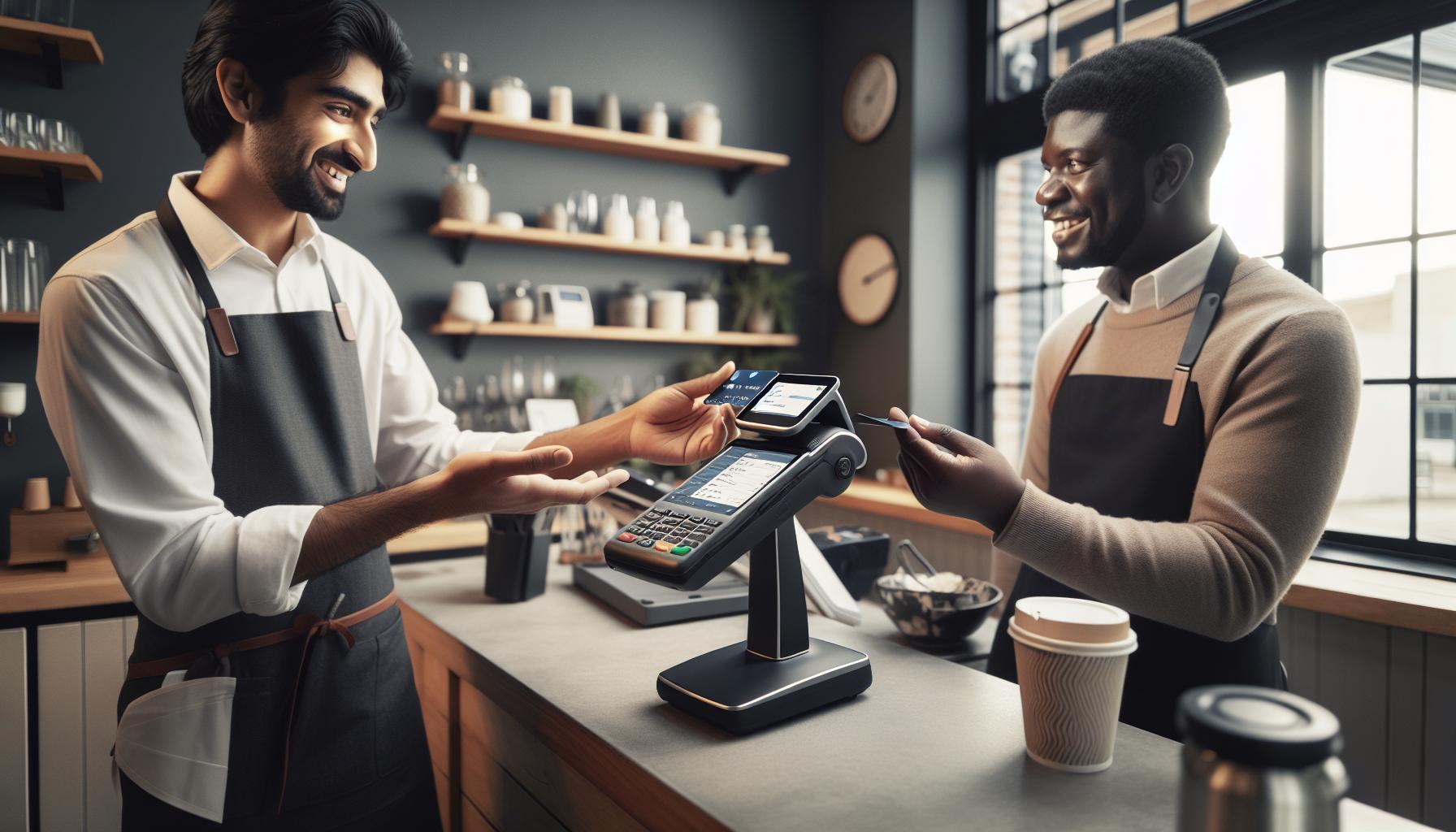
Key Features of Stera Handheld POS Systems
Stera’s handheld POS systems are designed not just to facilitate transactions but to enhance the overall customer experience while boosting operational efficiency. A crucial aspect that sets Stera apart in a crowded market is its comprehensive approach to functionality and user interface. Here are several key features that highlight the effectiveness and adaptability of Stera’s handheld POS solutions:
- Multi-Payment Support: Stera POS systems support diverse payment methods including traditional card swipes, NFC-enabled payments, and mobile wallets. This flexibility ensures businesses can cater to different customer preferences, enhancing convenience and transaction speed.
- Seamless Integration: The systems are built to integrate easily with existing CRMs and inventory management tools, allowing for real-time data synchronization. This integration not only streamlines the sales process but also provides businesses with valuable insights into customer behavior and inventory needs, enabling informed decision-making.
- User-Friendly Interface: Designed with the end-user in mind, Stera’s handheld devices feature an intuitive interface that ensures quick training and easy operation. This focus on usability minimizes downtime and improves staff productivity during peak hours.
- Robust Security Measures: Considering the regulatory landscape, Stera incorporates advanced security protocols to protect sensitive customer data. With built-in encryption and compliance with PCI DSS standards, businesses can confidently manage transactions while safeguarding customer information.
In addition to these features, Stera’s handheld POS devices are engineered for durability and portability. The compact nature of the systems allows for mobility, making them ideal for settings where traditional POS systems may be cumbersome, such as food trucks or outdoor markets.
By offering these robust features, Stera not only boosts transaction efficiency but also increases customer satisfaction, providing businesses with a tangible return on investment through enhanced operational capabilities. This positioning is crucial as businesses continue to shift towards more mobile and customizable solutions in an increasingly digitized retail landscape.
Comparative Analysis: Stera vs. Competitors
Stera’s handheld POS systems are carving out a distinct niche in the competitive fintech landscape, which increasingly features numerous sophisticated players. A comparative analysis reveals how Stera stacks up against its competitors, focusing on functionality, user experience, and overall value to businesses.
Both Stera and popular alternatives like Square and Toast serve a diverse array of industries. However, Stera differentiates itself with its seamless integration capabilities, allowing for real-time data sharing with existing business tools and systems. This feature can particularly benefit businesses looking to maintaining continuity without a complete system overhaul. While Square’s systems are known for their ease of use and customer-friendly interface, Stera’s emphasis on robust backend integration provides a more comprehensive data management experience, empowering businesses with analytics and inventory insights that some other providers may not offer out of the box.
When assessing pricing models, Stera presents a competitive edge with transparent pricing structures that appeal to small and medium-sized enterprises (SMEs). In contrast, some competitors may have hidden fees that can accumulate over time, leading to inflated costs. Stera’s cost-effectiveness largely comes from its commitment to support multiple payment options, which enhances the customer transaction experience. In this arena, Stera often stands toe-to-toe with competitors like Clover, which also market themselves with extensive features but can sometimes lack the tailored approach Stera offers to SMEs.
Furthermore, the user experience is pivotal when evaluating POS solutions. Stera’s intuitive interface is designed for quick training and operational efficiency, minimizing staff downtime. Although competitors like Square also emphasize user-friendly designs, Stera further enhances ease of use with a specific focus on devices that cater to the needs of high-traffic environments, such as retail stores and events. These environments often demand portability and speed, aspects where Stera excels with its handheld devices that can operate effectively in various settings.
Ultimately, Stera’s comprehensive and customer-focused approach positions it as a formidable player in the handheld POS market. By delivering robust integration, transparent pricing, and an exceptional user experience tailored to business needs, Stera not only enhances operational efficiency but also bolsters customer satisfaction. For businesses navigating a myriad of options, assessing Stera against its competitors showcases its strengths in adaptability and customer-centric design, making it a valuable choice for those seeking scalable and efficient POS solutions.
User Experience: Evaluating Stera in Action
Evaluating the user experience of Stera’s handheld POS systems reveals a blend of intuitive design and operational efficiency that sets it apart in the competitive fintech landscape. In high-traffic environments like retail stores and event venues, where speed and portability are essential, Stera’s devices shine. They are engineered to minimize transaction times and streamline interactions between staff and customers, addressing the vital need for rapid service without sacrificing accuracy.
At the core of Stera’s appeal is its user-friendly interface, which prioritizes ease of navigation and quick training capabilities. Businesses often face challenges in onboarding staff to new technology; however, Stera mitigates this by providing an interface that can be mastered within minutes. For instance, employees can swiftly learn to process transactions, manage inventory, and access sales analytics without exhaustive training sessions, minimizing downtime and enhancing overall productivity. This is particularly advantageous for enterprises with high staff turnover or those that employ seasonal workers.
Moreover, Stera’s handheld solutions are designed for adaptability in various settings. Users can easily transition from in-store transactions to outdoor setups, aiding businesses that participate in pop-up events or markets. The robust connectivity options ensure that, whether over Wi-Fi or cellular networks, transactions occur seamlessly. This adaptability not only enhances customer service but also builds customer loyalty through consistent, reliable experiences across differing sale environments.
In terms of customer feedback, users often highlight the system’s responsiveness and reliability during peak periods as significant strengths. Stera’s ability to handle multiple payment types-such as credit cards, mobile wallets, and contactless payments-without any lag further enhances the customer experience. As businesses increasingly look to improve their service speed and operational efficiency, Stera’s emphasis on a seamless user experience demonstrates its commitment to meeting modern customer expectations while enhancing business growth potential.
Pricing Models and Cost-Benefit Analysis
Understanding the economics of handheld POS systems like Stera is essential for businesses aiming to optimize their operations while maximizing profitability. Stera’s pricing model offers flexibility tailored for various business scales, ensuring that even smaller enterprises can access advanced transactional capabilities without incurring prohibitive costs. Generally, pricing can be broken down into hardware costs, software subscriptions, and transaction fees.
Pricing Components
- Hardware Costs: Stera provides a range of devices that cater to different business needs, with upfront hardware pricing that varies based on features and capabilities. Businesses can choose between leasing or purchasing options, dramatically influencing initial capital expenditure.
- Software Subscription: Many Stera solutions operate on a subscription basis, where businesses pay a monthly fee which might include updates, system support, and features that can scale with growth, from basic inventory tracking to advanced analytics.
- Transaction Fees: Typically, businesses incur a fee with each transaction processed, which is a critical consideration for companies processing a high volume of sales. Stera’s competitive fee structure often enhances the overall value proposition, particularly for retail or hospitality sector users.
Cost-Benefit Analysis
Investing in Stera’s handheld POS systems can yield significant cost savings over time. The immediate costs are often offset by the benefits achieved through improved operational efficiency, faster transaction times, and enhanced customer experiences. For instance, the time-saving features of Stera’s software can lead to reduced labor costs, as staff can handle more customers in less time, particularly during peak periods.
Moreover, detailed analytics provided through the system allows businesses to identify sales trends, optimize inventory, and ultimately increase turnover. This data-driven decision-making not only aligns with strategic objectives but also facilitates more efficient resource allocation, enhancing profitability in the long run.
To illustrate this impact further, a café using Stera’s POS system could see an increase in transactions per hour, which helps contribute to both higher sales revenue and improved customer satisfaction through swift service. The resulting loyalty can lead to repeat business, significantly amplifying the return on investment.
In summary, while Stera’s initial costs may seem considerable, the long-term benefits of increased efficiency, reduced operational costs, and enhanced customer satisfaction can position businesses for sustainable growth and profitability in a competitive landscape.
Security and Compliance Standards of Stera
Ensuring robust security and compliance is paramount for Stera’s handheld POS systems, particularly as businesses increasingly navigate a landscape fraught with regulatory complexities and security threats. Financial transactions involve sensitive customer data, making adherence to standards like the Payment Card Industry Data Security Standard (PCI DSS) critical for maintaining customer trust and protecting against data breaches. Stera’s commitment to complying with PCI DSS not only safeguards cardholder information but also instills confidence in businesses adopting its technology.
### Key Security Features
Stera integrates multiple layers of security features within its handheld POS systems to mitigate risks:
- Data Encryption: All transaction data is encrypted both in transit and at rest, ensuring that customer information remains confidential and secure from unauthorized access.
- Fraud Detection Algorithms: The system employs advanced algorithms designed to detect and prevent fraudulent activities by analyzing transaction patterns, thus providing real-time alerts for suspicious behavior.
- Two-Factor Authentication: To further bolster security, Stera offers two-factor authentication for user access, requiring not only a password but an additional form of verification, which significantly reduces the likelihood of unauthorized access.
- Regular Security Audits: Stera conducts routine security audits and penetration tests, ensuring that its systems are resilient against evolving threats and vulnerabilities.
### Compliance and Regulatory Framework
In addition to security measures, Stera emphasizes its compliance with various regulatory frameworks governing financial transactions. This includes not only PCI DSS but also local regulations, such as the General Data Protection Regulation (GDPR) in Europe, which governs the handling of personal data. By adhering to these regulations, Stera helps businesses navigate legal landscapes and avoid potential fines that could arise from non-compliance.
Businesses implementing Stera’s systems can also benefit from documented compliance processes, which streamline audits and internal reviews. For example, a retail chain adopting Stera’s solutions found that the clear alignment with compliance standards facilitated a smoother audit process, reducing overall compliance costs and time.
In summary, Stera’s emphasis on security and compliance not only protects customers and businesses but also enhances the overall value proposition of its handheld POS systems. The integrated security protocols and commitment to regulatory compliance make Stera a viable partner for organizations seeking to innovate while ensuring robust defenses against the myriad risks in today’s digital transactions.
Integration Capabilities with Existing Platforms
In today’s interconnected business environment, integrating handheld POS systems with existing platforms is no longer just a convenience-it’s a necessity. Efficient integration can streamline operations, enhance customer experiences, and bolster payment security, all of which can lead to a significant return on investment. Stera’s handheld POS solutions are designed with a focus on compatibility and interoperability, ensuring that businesses can seamlessly connect to their existing software and hardware ecosystems.
One of the standout features of Stera’s handheld POS systems is their robust API (Application Programming Interface) capabilities. This allows businesses to integrate Stera’s solutions with various backend systems-such as inventory management, customer relationship management (CRM), and e-commerce platforms-without disrupting current workflows. For instance, a restaurant utilizing Stera can synchronize its POS data with its kitchen management software to streamline order processing, thereby reducing wait times and improving service quality.
Integration with Third-Party Applications
Stera’s systems also support integrations with numerous third-party applications, which enhances flexibility and customization. Businesses can connect their handheld POS systems with popular payment gateways, loyalty programs, and accounting software, creating a holistic view of their operations. This interoperability not only reduces data silos but also leads to more informed decision-making by providing insights from multiple channels in one consolidated platform.
Some of the key integrations include:
- Payment Gateways: Accept a variety of payment methods, including credit cards, digital wallets, and contactless payments.
- Accounting Software: Tools like QuickBooks or Xero can be integrated for real-time financial tracking and reporting.
- Inventory Management Systems: Automate stock updates and streamline supply chain processes.
- Customer Relationship Management (CRM): Gather customer insights and track interactions to enhance loyalty programs and personalized marketing efforts.
Real-World Impact
Consider a retail store that integrated Stera’s handheld POS with their existing inventory and e-commerce systems. By doing so, they were able to maintain up-to-date stock levels in real-time, ensuring that in-store and online sales reflected accurate availability. Consequently, they experienced a noticeable reduction in customer complaints and returns due to inventory discrepancies, leading to improved customer satisfaction and increased sales conversion rates.
Implementing Stera’s handheld POS systems enables businesses to be agile and responsive to changing market demands, positioning them strategically for growth. By reducing the friction often associated with technology integrations, Stera empowers organizations to focus more on their core competencies rather than battling with technological hurdles. As businesses consider their strategic paths forward, incorporating a well-integrated POS solution like Stera can be a game-changer in their operational efficiency and customer engagement initiatives.
Real-World Success Stories Using Stera’s Solutions
The adoption of Stera’s handheld POS solutions has led to significant enhancements in operational efficiency and customer satisfaction across various industries. For instance, a restaurant chain implemented Stera’s POS system to streamline their order processing. By utilizing the robust API capabilities, the restaurant integrated its POS with kitchen management software, resulting in a 30% reduction in order wait times. This integration not only improved customer experience but also enhanced the accuracy of order fulfillment, leading to fewer mistakes and improved service quality.
In the retail sector, a clothing store utilizing Stera observed transformational results after integrating their handheld POS with their inventory management system. The seamless data synchronization allowed them to maintain real-time stock levels, thus preventing stockouts or overselling items. As a consequence, the store experienced a 20% increase in sales conversion rates due to the heightened inventory accuracy, which significantly reduced customer complaints related to product availability. This case emphasizes how Stera’s handheld solutions can directly impact revenue while enhancing overall customer trust in the brand.
Another compelling example comes from a grocery chain that harnessed Stera’s solutions to implement a loyalty program integrated with their POS. Upon adoption, customer retention rates climbed by 15%, as shoppers could easily track their points and rewards directly via the checkout experience. The flexibility to connect with third-party applications for loyalty management not only enriched their customer engagement strategy but also fostered a deeper relationship with their patrons, ultimately increasing repeat business.
These real-world implementations highlight that Stera’s handheld POS solutions are more than just transactional tools; they are comprehensive systems that enhance operational capabilities, improve customer interactions, and drive growth. By focusing on integration and usability, Stera empowers businesses to adapt swiftly in a competitive landscape, ensuring they can meet evolving market demands while achieving optimal returns on their technology investments.
Future Trends in Handheld POS Technology
As the retail landscape continuously evolves, one of the most significant trends in handheld POS technology is the growing integration of artificial intelligence (AI) and machine learning (ML). These advancements drive enhancements in customer experience and operational efficiency. For example, AI algorithms can analyze consumer behavior to predict purchasing trends, enabling businesses using Stera’s handheld solutions to optimize inventory and tailor marketing strategies more effectively. Such predictive analytics empower retailers to anticipate customer needs, ensuring they have the right products at the right time.
Additionally, the shift towards cloud-based solutions is reshaping the handheld POS market. Businesses increasingly prefer cloud POS systems due to their scalability, ease of updates, and remote access capabilities. This trend is particularly beneficial for companies leveraging Stera’s POS solutions, which allow users to access real-time data from multiple locations, ensuring that management can make informed decisions swiftly. Beyond operational efficiency, cloud integration enhances the customer experience; businesses can offer omnichannel sales capabilities, allowing customers to interact across platforms without interruption.
Another emerging trend is the heightened emphasis on security and compliance. As cyber threats become more sophisticated, Stera and similar companies are prioritizing security features within their handheld POS systems, utilizing end-to-end encryption and secure payment tokenization. Compliance with regulations, such as PCI-DSS, is now a standard expectation, and Stera’s focus on maintaining these standards not only protects user data but also builds trust among businesses and their customers.
Lastly, the growing popularity of mobile wallets and contactless payments is further shaping the handheld POS technology space. As consumers increasingly prefer seamless payment methods, Stera is positioned to capitalize on this trend by integrating support for various digital wallets, including Apple Pay and Google Pay. This integration not only streamlines the checkout process but also meets the evolving preferences of consumers who seek convenience and speed in their transactions.
In summary, the future of handheld POS technology is characterized by AI and ML integration, cloud-based flexibility, enhanced security, and a move toward contactless payments. For business leaders evaluating Stera’s solutions, understanding these trends is vital for making strategic decisions that align with market demands and technological advancements. By leveraging these innovations, companies can enhance operational efficiency, improve customer engagement, and ultimately drive growth.
Evaluating Customer Support and Service Quality
In today’s rapidly evolving retail landscape, the quality of customer support and service can significantly differentiate a fintech company like Stera from its competitors. With businesses increasingly relying on handheld POS systems to streamline operations and enhance customer interactions, the need for robust, responsive support structures becomes essential. Stera’s commitment to providing exemplary customer service is not just about resolving issues-it’s about fostering long-term partnerships built on trust and reliability.
Many organizations face challenges when implementing new technology. Stera addresses this by offering comprehensive onboarding and training sessions tailored to the diverse needs of its clients. These sessions are focused not only on familiarizing users with Stera’s handheld POS systems but also on addressing potential pain points in the sales process. For instance, hands-on workshops can greatly assist retail employees in understanding transaction management, thus enabling them to deliver a better customer experience right from day one.
Furthermore, ongoing support is crucial in a sector characterized by continuous technological advancements. Stera prides itself on its multi-channel support options, which include live chat, email, and phone support, ensuring help is always available when needed. Regular touchpoints, such as proactive check-ins and feedback loops, demonstrate Stera’s dedication to not just meeting but exceeding customer expectations. For example, proactive notifications regarding software updates or security patches illustrate their focus on keeping clients informed and secure.
In evaluating Stera’s service quality, organizations may also consider customer feedback and satisfaction metrics. Gathering data on response times, issue resolution efficiency, and overall user satisfaction can provide valuable insights into the effectiveness of Stera’s support. Additionally, testimonials and case studies showcasing businesses that have thrived with Stera’s solutions can visually underline the tangible benefits of reliable customer support.
In summary, assessing Stera’s customer support and service quality reveals a strong framework that supports businesses as they integrate handheld POS technology into their operations. By investing in not only effective solutions but also in comprehensive training and responsive support systems, Stera empowers businesses to optimize their processes and enhance customer satisfaction.
Scalability of Stera Solutions for Growing Businesses
Stera’s handheld POS solutions are designed with scalability in mind, making them a compelling choice for businesses anticipating growth. As organizations expand, their operational needs evolve, necessitating a flexible payment processing system that can adapt without requiring a complete overhaul. Stera addresses this need through several key features that empower businesses to scale efficiently, all while maintaining performance and customer satisfaction.
Flexible Features for Expanding Operations
One of Stera’s standout attributes is its modular design, which allows businesses to add or customize functionalities as they grow. Whether a small retail store is expanding to multiple locations or a restaurant is adding a delivery service, Stera can adapt to these new operational demands. This modularity translates into a lower total cost of ownership since businesses only pay for the features they need at any given time. For example, companies can initially start with essential transaction processing and seamlessly transition to incorporating advanced capabilities, such as inventory management or integration with customer relationship management (CRM) systems.
Cloud-Based Architecture
Stera utilizes a cloud-based infrastructure, which provides significant advantages in terms of scalability. With this architecture, businesses can scale their operations without the heavy lifting that often accompanies traditional, on-premise solutions. New locations or additional devices can be implemented rapidly without the need for extensive hardware installations or upgrades. Moreover, as data storage and analytics requirements grow, Stera scales automatically, ensuring businesses have access to insights and reporting tools necessary for strategic decision-making.
Real-World Success: Scalability in Action
Many businesses have successfully used Stera solutions to navigate growth challenges. For instance, a popular food chain began with a single location utilizing Stera’s basic POS system. As demand surged, they expanded to multiple sites and switched to a more robust package that included advanced analytics and integrated marketing tools. Within a year, they reported a remarkable 30% increase in sales attributed directly to better inventory management and customer engagement, both made possible through Stera’s adaptable offerings.
Future-Proofing Your Business
Looking ahead, it’s essential for business leaders to consider not just their current needs but also future scalability. Stera positions itself as a partner in this journey by regularly rolling out updates and enhancements that align with industry trends and regulatory changes. This forward-thinking approach ensures that organizations leveraging Stera’s handheld POS systems are not only capable of handling current operational challenges but are also prepared for the dynamic landscape of the marketplace.
In conclusion, implementing Stera’s handheld POS systems can significantly enhance a business’s ability to scale effectively. With a focus on flexibility, cloud-based efficiency, and proven success in real-world applications, Stera equips organizations with the tools they need to not only grow but flourish in an increasingly competitive environment.
Expert Insights on Stera’s Market Position
In today’s fintech landscape, handheld point-of-sale (POS) systems are becoming essential tools for businesses seeking to enhance operational efficiency and customer engagement. Stera, as a notable player in this market, is notable not just for its technology, but for its strategic approach to scalability and user experience. Given the rapid evolution of payment technologies, Stera’s continually adapting solutions resonate with businesses looking to navigate both current demands and future growth.
What sets Stera apart in the crowded POS marketplace is its commitment to providing a cloud-based architecture that seamlessly integrates with various business operations. This flexibility allows companies to select features that match their current needs while enabling easy upgrades as their operations expand. For instance, a small retailer that starts with basic transaction functionalities can gradually incorporate more complex features like inventory management or analytics without significant downtime or additional investments in hardware. Such adaptability not only reduces total ownership costs but also minimizes the risk of obsolescence-key considerations for businesses of all sizes.
As the considerations for security and compliance become increasingly stringent, Stera’s focus on these areas strengthens its market position. Businesses are acutely aware of the risks inherent in handling customer payment information, and Stera addresses these concerns with robust encryption, regular compliance updates, and transparent data management practices. This focus not only builds customer trust but also enhances Stera’s reputation among vendors who prioritize stringent data protection protocols.
Moreover, real-world success stories play a crucial role in Stera’s credibility. Businesses that have leveraged Stera’s solutions report significant improvements in operational efficiency and customer satisfaction. For example, a café chain that adopted Stera’s handheld system saw their transaction times cut in half, leading to enhanced customer turnover and a subsequent increase in revenue. Such tangible benefits are compelling evidence of how Stera’s technology can yield significant return on investment, aligning with the strategic goals of businesses seeking to thrive in competitive environments.
In summary, Stera’s market position is strengthened by its innovative, scalable solutions that prioritize user experience and compliance. As fintech advances, the ability to adapt to changing market needs will only become more critical, making Stera a forward-thinking partner for businesses looking to invest in a reliable handheld POS system.
Frequently Asked Questions
Q: What are the advantages of using Stera’s handheld POS systems?
A: Stera’s handheld POS systems offer mobility, enhanced customer interaction, and streamlined transactions. Businesses can process payments on the go, improving efficiency. Additionally, these systems integrate with existing platforms, enhancing overall operational capabilities.
Q: How does Stera ensure data security in its handheld POS solutions?
A: Stera prioritizes data security through encryption, regular software updates, and compliance with industry standards. Their systems are designed to protect sensitive information, making them a reliable choice for businesses concerned about security.
Q: Can Stera’s handheld POS be integrated with e-commerce platforms?
A: Yes, Stera’s handheld POS solutions can be seamlessly integrated with various e-commerce platforms. This allows businesses to provide a consistent customer experience across physical and online channels, ensuring all sales data is synchronized.
Q: What types of businesses benefit most from Stera’s handheld POS solutions?
A: Stera’s handheld POS systems are ideal for retail, hospitality, and service-based businesses. They are particularly beneficial for establishments that require mobile payment processing, such as food trucks, pop-up shops, or any business with a dynamic selling environment.
Q: How does customer support for Stera’s handheld POS compare to other brands?
A: Stera is known for its responsive customer support, providing various channels for assistance including live chat and phone support. This commitment to customer service often surpasses competitors, ensuring issues are resolved quickly.
Q: What is the cost-effectiveness of Stera’s handheld POS systems?
A: Stera offers competitive pricing with clear cost-benefit analyses. Businesses often experience improved operational efficiency and customer satisfaction, which can lead to increased sales and a quicker return on investment.
Q: What future trends should businesses look for in handheld POS systems like Stera?
A: Key trends include AI integration, contactless payments, and enhanced analytics capabilities. These advancements aim to improve user experience and operational efficiency, positioning Stera as a forward-looking option in the market.
Q: How can Stera’s handheld POS systems enhance user experience for customers?
A: Stera’s handheld POS enhances user experience by enabling faster transaction times, offering personalized service, and providing instant access to product information. This leads to a more satisfying shopping experience for customers.
In Retrospect
As we conclude our evaluation of the fintech company Stera and its handheld POS solutions, it’s clear that their innovative approach can streamline your payment processes while ensuring compliance and security. If you’re eager to take your business operations to the next level, consider exploring our in-depth resources on payment solutions and vendor evaluations. Understanding the complexities of cloud and API integrations can be a game-changer for your strategy.
Don’t hesitate to connect with us for a consultation, or sign up for our newsletter to receive the latest insights into fintech trends and best practices. Your next step in optimizing your payment solutions begins now-let us guide you towards making informed decisions that will drive your business forward. Share your thoughts or experiences with Stera in the comments below, and join our community of forward-thinking business leaders driving change in fintech.
Get our latest guides, news, and insights highlighted in your Google Search & AI Overviews.