In today’s fast-paced commercial landscape, efficient payment solutions are critical for businesses aiming to enhance customer experience and streamline operations. The Airpay POS system emerges as a versatile tool tailored for small to medium enterprises (SMEs), offering innovative features that simplify the payment process and improve invoicing capabilities. By integrating seamlessly with various online and offline channels, Airpay not only facilitates transactions but also empowers merchants with valuable insights into consumer behavior and sales trends. As businesses navigate the challenges of managing payments in a competitive market, understanding the functionalities of the Airpay POS system can drive strategic decisions that enhance operational efficiency and customer satisfaction. This comprehensive review will delve into the system’s features, exploring how Airpay can help you achieve your business goals while remaining compliant with regulatory standards.
Airpay POS System Overview: Key Features and Benefits
The Airpay POS system stands out as a versatile solution in the rapidly evolving payments landscape, catering especially to small and medium-sized enterprises (SMEs). The platform is designed to simplify the payment acceptance process while enhancing the overall customer transaction experience. With an intuitive interface and robust features, Airpay serves as a comprehensive tool for businesses aiming to streamline their operations.
Key Features:
- Multi-Channel Payment Acceptance: Airpay supports a variety of payment methods, including credit and debit cards, mobile wallets, and UPI payments, which increases customer flexibility and encourages transaction completion.
- User-Friendly Interface: The Airpay app provides an easy-to-navigate interface, ensuring that staff can quickly adapt to using the system without extensive training.
- Invoicing Capabilities: Businesses can create and send professional invoices directly through the app, simplifying the billing process and improving cash flow management.
- Real-Time Analytics: Airpay offers insights into sales performance and customer behavior, allowing businesses to make data-driven decisions that enhance efficiency and profitability.
Benefits:
Implementing the Airpay POS system translates into tangible benefits for businesses. By facilitating quick transactions, reducing wait times, and enhancing customer satisfaction, Airpay directly contributes to a more productive work environment. Moreover, the integration of comprehensive reporting tools aids in understanding sales trends and inventory management, thus fostering informed strategic planning.
In summary, Airpay POS is not just a transactional tool; it is a catalyst for business growth that combines technology with practical usability, aligning seamlessly with the needs of modern retailers looking to optimize operations in a competitive market environment.
Understanding the Airpay Fintech Ecosystem

The Airpay fintech ecosystem is a robust framework designed to empower businesses with comprehensive financial management solutions. By seamlessly integrating payment processing, digital banking, and financial insights into a cohesive platform, Airpay positions itself as a key player in the rapidly evolving fintech landscape. This ecosystem not only simplifies payment acceptance but also enhances overall operational efficiency for businesses of all sizes.
One of the core components of the Airpay ecosystem is its versatility in payment processing. Businesses can easily accept payments through multiple channels-credit and debit cards, mobile wallets, and online payment platforms-ensuring that they meet the diverse preferences of customers. This multi-channel approach is complemented by advanced features such as real-time analytics and reporting tools that provide actionable insights into consumer behavior and sales performance. This data-driven approach allows businesses to adapt and refine their strategies, ultimately leading to improved customer satisfaction and increased revenues.
Integration is another vital aspect of the Airpay ecosystem. The platform is designed to work harmoniously with existing business systems, allowing for streamlined operations without the need for significant overhauls. For example, businesses can seamlessly integrate the Airpay POS system with their accounting software, CRM systems, and inventory management tools. This connectivity facilitates better oversight of financial health and enables managers to make informed decisions based on comprehensive data visibility.
Furthermore, security is paramount within the Airpay ecosystem. The platform adheres to stringent compliance and regulatory frameworks, ensuring that transaction data is well-protected against breaches and fraud. Businesses can engage with confidence knowing that their customer’s sensitive information is secured through advanced encryption technologies and secure payment gateways.
In summary, the Airpay fintech ecosystem is not merely a collection of individual tools; it is a cohesive, integrated system that drives operational efficiency, ensures compliance, and enhances customer experiences. By leveraging these strengths, businesses can position themselves effectively in a competitive market, fostering growth and innovation.
Comprehensive Review of Airpay POS Functionality
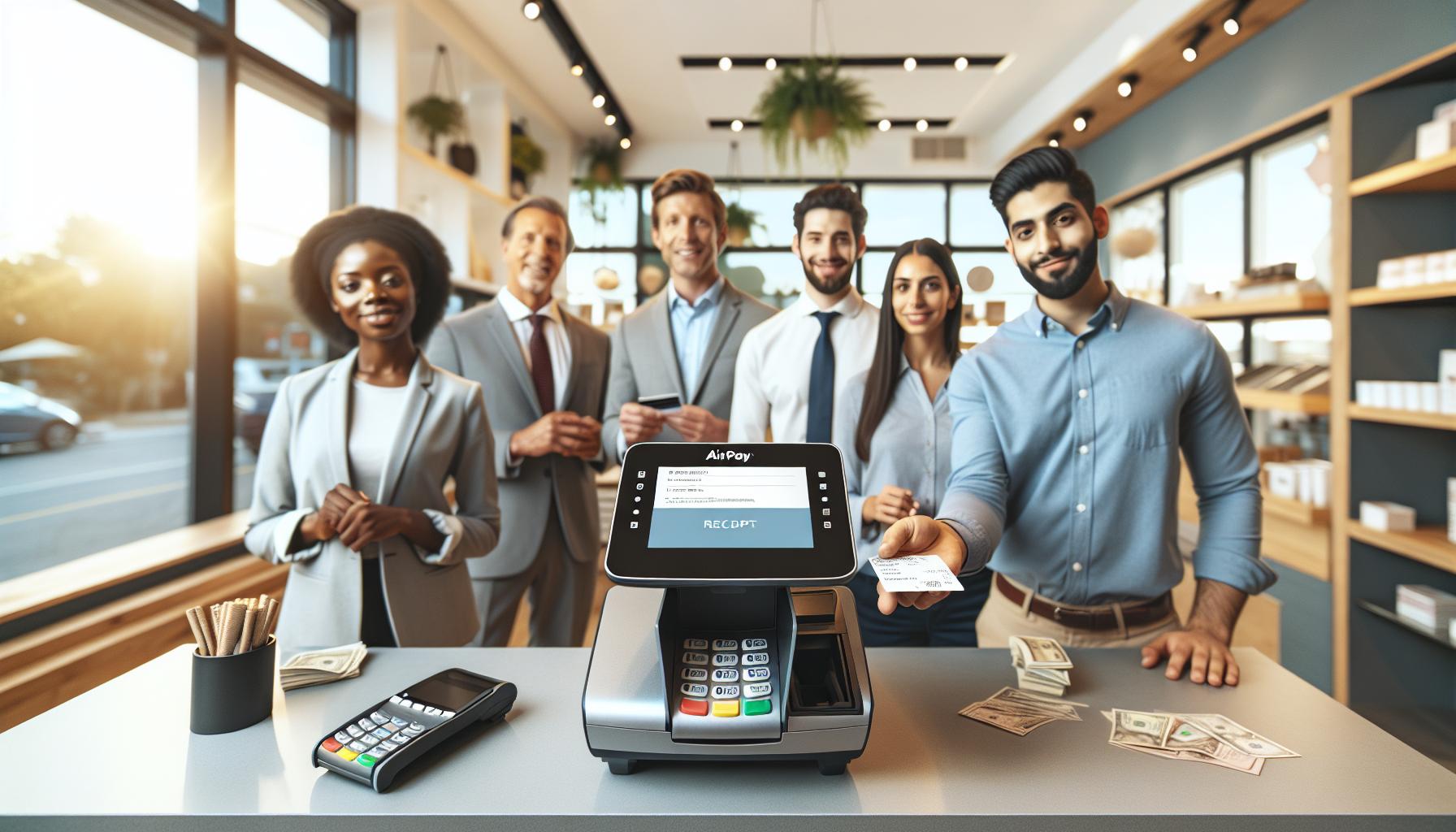
The Airpay POS system exemplifies innovation in payment processing, meeting the diverse needs of modern retail environments through its comprehensive set of functionalities. Designed with user-centric principles, the system streamlines transactions while enhancing the customer experience. One of its standout attributes is the seamless integration of various payment methods, enabling businesses to accept credit and debit cards, mobile wallets, and even digital currencies. This flexibility ensures that merchants can cater to a wide range of customer preferences, thus boosting sales opportunities.
Key Features of Airpay POS
The Airpay POS system is equipped with features that not only streamline operations but also provide significant insights into business performance. Among these features are:
- Real-Time Analytics: With integrated reporting tools, businesses can access valuable data regarding sales patterns, customer behavior, and inventory levels. This data-driven approach empowers managers to make informed decisions that drive profitability.
- User-Friendly Interface: The intuitive interface allows for rapid onboarding of staff, reducing training times and increasing operational efficiency. Employees can quickly learn the system, ensuring smooth customer interactions at the point of sale.
- Multi-Channel Capability: Airpay supports various transaction methods, accommodating both in-store and online sales. This capability is crucial in today’s omnichannel marketplace, enabling businesses to engage customers across multiple touchpoints effectively.
- Integration with Business Systems: The POS system can easily integrate with existing accounting software, inventory management systems, and customer relationship management (CRM) tools. This connectivity helps streamline operations and ensures comprehensive oversight of the business.
Enhancing Business Efficiency
With the endorsement of robust security measures, Airpay prioritizes the protection of sensitive transaction data. The platform adheres to regulatory compliance and employs advanced encryption technologies, mitigating potential fraud risks. Businesses can operate with confidence, knowing their data and their customers’ information are safeguarded against breaches.
Moreover, adopting Airpay’s POS system can yield impressive returns on investment (ROI). By improving operational efficiencies, enhancing customer service, and optimizing sales processes, businesses can expect to see ample financial benefits over time. As retail ecosystems continue to evolve, Airpay’s commitment to innovation positions it as a pivotal player in shaping the future of point-of-sale technology, empowering businesses to thrive in a competitive landscape.
User Experience: Navigating the Airpay Interface

The user experience within the Airpay interface is crafted to prioritize efficiency and intuitiveness, a crucial aspect in today’s fast-paced retail landscape. With the increasing demand for seamless transactions, Airpay has designed its interface to reduce friction at the point of sale, ensuring that both staff and customers can navigate smoothly through transactions. This thoughtful approach not only enhances operational efficiency but also improves customer satisfaction by minimizing wait times and complications during the checkout process.
A notable feature of the Airpay interface is its user-friendly design. Employees, regardless of their technical proficiency, can quickly familiarize themselves with the system through a clean layout and logical navigation paths. Functions are clearly labeled, and the dashboard provides a comprehensive overview of sales metrics, inventory levels, and customer interactions at a glance. This clarity supports quicker decision-making and empowers staff to manage payments effectively without needing extensive training. Additionally, the mobile compatibility of the Airpay POS allows businesses to take transactions anywhere, appealing to modern consumer preferences for convenience.
Another vital component of the Airpay interface is its real-time analytics capability, providing businesses with crucial performance insights. Users can easily access reports on sales trends, helping them adjust strategies and optimize inventory accordingly. This data-driven approach not only supports better resource management but also allows businesses to understand their customer demographics more thoroughly, thus tailoring their services to client needs. The incorporation of such analytics directly correlates with increased profitability and sharper competitive edge, making it essential for retailer success.
Moreover, the ability to integrate seamlessly with existing business systems enhances the overall user experience. Airpay’s POS can connect with various tools such as accounting software and CRM platforms, creating a unified ecosystem that simplifies data management across multiple channels. This integration reduces manual entry errors and improves data accuracy, ultimately driving productivity and allowing businesses to focus on growth and customer engagement rather than administratively burdensome tasks. In essence, Airpay not only offers a robust transactional platform but also lays the groundwork for future scalability and operational excellence.
Integrating Airpay with Existing Business Systems
Integrating a point-of-sale (POS) system with existing business structures is crucial for enhancing operational efficiency and streamlining processes. Airpay’s POS system offers robust integration capabilities, allowing businesses to connect seamlessly with various existing systems such as accounting software, customer relationship management (CRM) tools, and inventory management platforms. This integration becomes the backbone of a unified digital ecosystem that facilitates better data flow and holistic visibility across all business operations.
One of the standout features of the Airpay POS system is its application programming interface (API) that supports integration with a wide range of third-party software. For example, retailers using popular accounting platforms like QuickBooks or Xero can automate financial entries from sales transactions, effectively minimizing manual entry errors and reducing reconciliation times. As a result, businesses save significant operational hours that can be reallocated to more strategic tasks. Additionally, integrating with CRM tools allows for enhanced customer insights and personalized marketing, straightforwardly translating into increased customer loyalty and sales.
Benefits of Integration
The advantages of integrating Airpay POS with existing systems extend beyond efficiency gains. Here are some key benefits:
- Real-Time Data Access: Instant synchronization of sales and inventory data enables real-time decision-making. Businesses can adjust operational strategies quickly based on the latest information.
- Enhanced Customer Experience: Integrated systems can provide sales personnel with a complete view of customer interactions, enabling more personalized service and improving customer satisfaction.
- Reduced Operational Costs: Automation reduces the need for administrative staff to manage separate systems, thereby lowering payroll expenses and speeding up processes.
- Scalability: As businesses grow, the integrated system allows for easy scalability. New sales channels, such as e-commerce, can be added without major overhauls to existing systems.
Moreover, Airpay’s compatibility with cloud-based solutions means that updates and maintenance require less manual intervention, enhancing system reliability. The platform’s flexibility allows businesses to adapt as trends shift and customer expectations evolve, positioning them for long-term success while easing the burden of compliance and security regulations.
By leveraging the integration capabilities of Airpay POS, businesses can focus on their core competencies, boost overall productivity, and maintain a competitive edge in an ever-evolving marketplace. Organizations that prioritize integration are not only better equipped to respond to real-time data but also cultivate a more agile and customer-centric operating model.
Security Measures in Airpay POS: Protecting Your Data
In today’s digital marketplace, where cyber threats are increasingly sophisticated and prevalent, the security of transaction data is paramount. The Airpay POS system excels in safeguarding sensitive financial data through a multi-layered security architecture that aligns with industry standards. Implementing these robust security measures not only protects business operations but also builds trust with customers, thereby enhancing brand reputation.
Airpay utilizes advanced encryption techniques to secure data both at rest and in transit, significantly minimizing the risk of unauthorized access. By adhering to the Payment Card Industry Data Security Standards (PCI DSS), Airpay ensures that its systems are adequately protected against common vulnerabilities often exploited by cybercriminals. This compliance not only meets regulatory requirements but also demonstrates Airpay’s commitment to safeguarding its users’ data.
Key Security Features
To substantiate its security posture, Airpay includes several features that provide comprehensive protection:
- Tokenization: This method replaces sensitive card information with a unique identification symbol, or token, which cannot be reversed, rendering it useless if intercepted.
- Fraud Detection Systems: Airpay employs real-time monitoring systems equipped with machine learning algorithms that identify and flag anomalous transaction patterns, allowing for immediate investigation and response.
- Regular Security Audits: Continuous assessments and testing of the system against potential threats ensure vulnerabilities are promptly addressed.
- User Access Controls: Granular permissions for different user roles help limit data access, thereby reducing the likelihood of internal threats.
Moreover, user education is a crucial aspect of Airpay’s security strategy. By providing resources on best security practices and phishing awareness, Airpay empowers users to recognize threats, fostering a security-conscious culture.
In a landscape where data breaches can result in devastating financial and reputational damage, investing in a secure POS system like Airpay mitigates risk significantly. By prioritizing data protection and employing sophisticated security measures, businesses can confidently operate, knowing they have robust defenses in place to protect their operations and customer trust.
Pricing Models of Airpay POS: What to Expect
Understanding the financial implications of adopting a payment solution is crucial for businesses evaluating their options. Airpay’s POS pricing models are designed to cater to diverse business needs, ensuring transparency and flexibility. The typical pricing structures can broadly be categorized into transaction-based fees and subscription models, both of which aim to provide cost-effective solutions for businesses of all sizes.
One popular pricing approach is the transaction-based model, where businesses are charged a percentage fee per transaction processed. This model can often be appealing for startups and small enterprises with fluctuating sales volumes. For instance, Airpay typically charges around 2.5% per transaction, which includes no setup costs or annual maintenance fees, making it easier for businesses to manage cash flow and predict monthly expenses [2[2].
In addition to this, Airpay offers a flat fee model that provides greater predictability in terms of expenses, ideal for businesses that have steady transaction volumes. For example, a quarterly fee of ₹2500 can cover transactions totaling up to ₹150,000, allowing businesses to budget their expenses more effectively without worrying about variable costs based on transaction volume [2[2].
For businesses looking to implement Airpay’s point-of-sale terminals, there’s also an option which includes a competitive monthly fee coupled with a flat 1% transaction rate. This structure eliminates upfront costs and provides the flexibility to scale as needed, aligning with the operational demands of businesses [3[3].
Ultimately, businesses must evaluate their transaction patterns and volume to select the most cost-effective pricing model. Each option presents unique advantages, allowing companies to choose a plan that aligns with their operational goals and growth potential. Understanding these models enables business leaders to make informed decisions, maximizing ROI while minimizing costs associated with payment processing.
Customer Support and Service Options for Airpay Users
The effectiveness of any POS system is greatly influenced by the quality of customer support it offers. For businesses leveraging Airpay, robust customer service options are pivotal in ensuring smooth operations and minimizing downtime. Airpay stands out by providing a comprehensive support structure aimed at addressing user issues promptly and effectively, which is essential for maintaining customer satisfaction and operational efficiency.
Airpay users have access to multiple support channels to suit various needs. The dedicated online support portal features extensive FAQs and troubleshooting guides that empower users to solve common issues independently. Additionally, if users encounter more complex problems, they can easily reach out to Airpay’s support team via email or phone. This responsive service is designed to resolve inquiries quickly, reducing potential disruption to business activities. The support team’s ability to understand and cater to the specific needs of different businesses speaks volumes about Airpay’s commitment to customer satisfaction.
Moreover, Airpay recognizes that effective onboarding is critical in enhancing user experience. New customers can benefit from tailored training sessions that familiarize them with the intricacies of the POS system, ensuring that they maximize its features from the outset. This proactive approach not only enhances user confidence but also minimizes the likelihood of operational hiccups down the line. Additionally, Airpay’s support ethos includes regular updates and communication about new features and enhancements, enabling users to stay informed and adapt their use of the system accordingly.
Ultimately, the breadth and depth of customer support provided by Airpay significantly contribute to the platform’s overall value proposition. By ensuring that users have access to timely assistance and comprehensive resources, Airpay empowers businesses to navigate challenges effectively, positioning them for long-term success and operational resilience. The synergy between a well-supported POS system and user empowerment can lead to enhanced productivity and profitability, which is essential in today’s competitive business landscape.
Case Studies: Real-world Applications of Airpay POS
Businesses today are increasingly turning to innovative payment solutions to stay competitive, and Airpay’s POS system has demonstrated its efficacy in various real-world scenarios. Through practical applications across diverse sectors, Airpay has shown how its technology simplifies transactions, enhances customer satisfaction, and ultimately drives business growth.
One notable example is a mid-sized retail chain that experienced a significant transformation after implementing Airpay’s POS system. The chain struggled with long checkout times and inventory management issues, which impacted customer experience and sales. By integrating Airpay, they streamlined their operations with real-time inventory tracking and faster transaction processes. This integration reduced checkout times by up to 40%, allowing for improved customer turnover during peak hours. Additionally, the insight provided by robust analytics enabled the management team to align stock levels with customer demand, ultimately increasing sales by 25% within the first quarter post-implementation.
In the hospitality sector, a popular restaurant integrated Airpay’s POS to facilitate a seamless dining experience. The restaurant had previously faced challenges with manual billing processes that often led to errors, frequent customer complaints, and delayed table turnovers. Implementing Airpay allowed staff to take orders and process payments directly from tablets, thus minimizing mistakes and expediting service. The restaurant reported a 30% decrease in billing errors and an increase in customer satisfaction ratings, illustrating how technology can directly influence operational effectiveness and guest experiences.
Moreover, Airpay’s POS system has also been beneficial for small cafés, particularly in handling transactions from diverse customer demographics. With the growing trend of digital payments, a local café benefitted from Airpay’s comprehensive support for various payment methods, including contactless and mobile wallet options. This flexibility attracted more customers, including tech-savvy millennials and business professionals, resulting in a revenue boost of 15% within six months. Furthermore, the café’s management appreciated the detailed transaction reporting features, which provided insights into customer preferences and peak order times, guiding marketing strategies and promotional efforts effectively.
These case studies highlight tangible outcomes from leveraging Airpay’s POS technology, showcasing its adaptability across different business environments and its potential to significantly enhance operational efficiency, customer satisfaction, and overall profitability. As businesses continue to navigate the ever-changing landscape of consumer behavior, platforms like Airpay will play a crucial role in fostering growth and innovation.
Long-term Business Impact: ROI of Adopting Airpay
Adopting Airpay’s POS system can fundamentally transform a business’s financial landscape, driving substantial return on investment (ROI) through enhanced operational efficiency and better customer experiences. The key to understanding its long-term business impact lies in recognizing how the system directly addresses common pain points, such as long checkout times and inefficient inventory management, allowing businesses to recoup costs and generate profit more effectively.
One of the most significant advantages of Airpay POS is its ability to streamline operations. For instance, businesses that have implemented this system report an average reduction in transaction times by as much as 40%. This increase in checkout speed not only improves customer satisfaction but also enhances table turnover in hospitality settings and accelerates sales in retail environments. In practical terms, a retail business that adopts Airpay can expect to serve a higher volume of customers, which translates into increased sales revenue over time.
Additionally, the robust analytics provided by Airpay’s POS system offers valuable insights into sales patterns and inventory levels. Businesses can leverage this data to make informed decisions about stock management and promotional strategies, aligning offers with customer demand. As seen in a case study with a mid-sized retail chain, adopting Airpay resulted in a sales increase of 25% within the first quarter by aligning product offerings with purchasing trends. This data-driven approach empowers businesses to adapt swiftly to changing consumer behavior, ultimately enhancing long-term profitability.
Cost Savings and Efficiency Improvements
Implementing Airpay also leads to not just increased sales but also notable cost savings. By automating manual processes such as billing and inventory tracking, businesses reduce operational inefficiencies and the labor costs associated with them. Fewer errors in transactions mean less money lost due to mistakes-restaurants using Airpay reported a 30% decrease in billing errors, leading to lower refund rates and improved customer retention. These adjustments can significantly enhance overall profit margins, providing a compelling case for businesses to consider Airpay as more than just a payment processing tool, but a strategic investment in their operational framework.
As businesses increasingly shift towards digital payment solutions, platforms like Airpay stand at the forefront of innovation, poised to help them maximize ROI over the long term while navigating a complex regulatory landscape. By focusing on both immediate and strategic benefits, organizations can not only safeguard their current revenue streams but also cultivate future growth opportunities, ensuring that they remain competitive in an ever-evolving market.
Comparative Analysis: Airpay POS vs. Competitors
When it comes to choosing a point-of-sale (POS) system for your business, the options can be daunting. Airpay stands out in a crowded market, but how does it measure up against its competitors? Companies like Pine Labs, Razorpay, and PayU present robust alternatives, each with unique offerings tailored to specific business needs. Understanding these differences is crucial for informed decision-making, particularly regarding operational efficiency, customer experience, and total cost of ownership.
Airpay’s key advantages are its streamlined transaction processes and user-friendly interface, which contribute to a significant reduction in checkout times-reported to be as high as 40% for businesses that implement their system. In contrast, while Razorpay also emphasizes quick transactions, it often competes more on payment gateway integration and comprehensive financial solutions. Pine Labs, known for its terminal solutions, offers rich loyalty and rewards functionality, making it particularly appealing for retailers looking to enhance customer engagement through loyalty programs. PayU focuses heavily on e-commerce and online allocation, making it a strong choice for businesses that prioritize digital sales channels over physical retail environments.
User Experience and Integrations
In terms of user experience, Airpay’s interface is noted for its simplicity and ease of navigation, ensuring that even less tech-savvy employees can get comfortable with its functionalities quickly. This user-friendly approach can lead to less training time and quicker adaptation within the staff. However, when comparing integrations, competitors like Razorpay offer extensive APIs that allow for deeper connections with third-party applications, which can enhance overall functionality but may require more technical resources to leverage fully.
Security and Compliance
Security measures are another critical area for evaluation. Airpay employs comprehensive data protection protocols that comply with industry standards. Similarly, all major players, including Pine Labs and PayU, prioritize security but may offer differing levels of fraud detection and prevention features. Understanding these nuances can help businesses align their choice of POS with their risk management strategies.
Ultimately, the decision should be driven by your specific business needs. If your operations emphasize fast-paced retail environments, Airpay’s efficiency may resonate more strongly. If loyalty programs and advanced integration with existing systems are a priority for your strategy, exploring Pine Labs or Razorpay could provide additional value. Considering long-term business impact, including total cost of ownership and ROI, while evaluating these systems will ensure that your choice supports not just immediate operational efficiency but sustainable growth as well.
Future Trends in POS Systems: Airpay’s Role and Innovations
As businesses navigate an increasingly digital marketplace, the evolution of point-of-sale (POS) systems is pivotal in shaping customer experiences and operational efficiency. Airpay stands at the forefront of this trend, consistently innovating to meet the dynamic needs of merchants across various sectors. With a keen focus on integration, data analytics, and customer engagement, Airpay is poised to redefine the traditional POS landscape in several impactful ways.
One significant trend is the growing emphasis on mobile payment solutions. Airpay’s mobile POS capabilities allow merchants to process transactions directly from their smartphones, eliminating the need for bulky equipment and enabling sales to occur anywhere, whether at a bustling market or an exclusive event. This flexibility not only enhances customer convenience but also streamlines operations, supporting businesses in transforming their sales approach and improving efficiency.
Embracing Data-Driven Insights
Another critical innovation is the integration of advanced data analytics within the Airpay system. By harnessing real-time data, businesses can gain insights into customer purchasing patterns, inventory management, and sales trends. This analytical capability empowers merchants to make informed decisions, tailor marketing efforts, and optimize their product offerings. For example, using data from their POS system, a retail store can identify peak purchasing times and adjust staffing accordingly, ensuring optimal customer service during busy hours.
Enhanced Customer Engagement
Furthermore, Airpay is enhancing customer engagement through personalized loyalty programs integrated into its POS system. By allowing businesses to reward their customers for repeat purchases, Airpay not only fosters brand loyalty but also enhances the overall shopping experience. Merchants can notify customers of upcoming promotions or suggest complementary products based on previous purchases, driving additional sales while making customers feel valued.
Future-Proofing with AI and Automation
As the market moves toward automation, Airpay is integrating artificial intelligence (AI) and machine learning into its platform. These technologies can streamline operations further by automating routine tasks, such as inventory tracking and trend forecasting. This not only reduces human error but also frees up valuable time for employees to focus on customer interactions and strategic initiatives. The ability to predict demand and adjust stock levels proactively can substantially reduce costs associated with overstocking and stockouts.
In conclusion, as POS systems like Airpay adapt to emerging trends, businesses that leverage these innovations will not only enhance operational efficiency but also significantly improve customer satisfaction. By embracing mobile capabilities, harnessing data analytics, fostering personalized customer engagement, and automating processes, Airpay is setting the stage for a transformed future in retail and service environments. As these trends continue to unfold, businesses must remain agile, ready to pivot and integrate new technologies that meet the ever-evolving expectations of their customers.
Q&A
Q: What are the key features of the Airpay POS system?
A: The Airpay POS system offers a range of key features, including user-friendly interface, seamless payment integrations, advanced security measures, real-time transaction tracking, and multi-channel support for online and in-store payments. These functionalities cater to diverse business needs, enhancing overall efficiency and customer experience.
Q: How does Airpay POS ensure transaction security?
A: Airpay POS employs robust security measures such as end-to-end encryption, compliance with PCI DSS standards, and multi-factor authentication to protect sensitive customer data during transactions. This proactive approach helps businesses mitigate fraud risks while ensuring secure payments.
Q: What are the integration capabilities of Airpay POS?
A: Airpay POS integrates seamlessly with existing business systems, including ERP and inventory management software. Its API allows for easy connection with various platforms, enabling businesses to automate operations and synchronize real-time sales data for improved decision-making.
Q: How does Airpay POS compare with its competitors?
A: Airpay POS stands out with its competitive pricing, comprehensive feature set, and exceptional customer service compared to other POS systems. While competitors may offer similar functionalities, Airpay’s focus on user experience and integration flexibility provides added value for businesses looking for efficiency.
Q: What pricing models does Airpay POS offer?
A: Airpay POS offers flexible pricing models, including subscription-based plans and transaction fees. Businesses can choose a model that fits their budget and transaction volume, allowing for scalability as the business grows. For detailed pricing options, refer to the relevant section in our article.
Q: Can Airpay POS handle online payments?
A: Yes, Airpay POS supports online payments, making it suitable for e-commerce businesses. Customers can make secure transactions through various payment methods, including credit/debit cards and digital wallets, enhancing customer convenience and expanding sales channels.
Q: What support options are available for Airpay users?
A: Airpay provides excellent customer support through multiple channels, including live chat, email, and phone support. Users can access tutorials, FAQs, and dedicated account managers for personalized assistance, ensuring timely resolution of any issues that may arise.
Q: What long-term benefits can businesses expect from adopting Airpay POS?
A: Adopting Airpay POS can lead to increased operational efficiency, enhanced customer satisfaction, and higher revenue potential. With its robust analytics tools, businesses can make data-driven decisions to optimize their sales strategies and ultimately improve return on investment (ROI).
For further insights and detailed analysis, explore other sections of our article on the Airpay POS system.
Future Outlook
As we wrap up our comprehensive review of the Airpay POS system, it’s clear that this innovative tool transforms the way businesses manage transactions, streamline invoicing, and enhance customer interactions. With features designed for efficiency and ease of use, Airpay could be the game-changer your business needs to thrive in today’s competitive market. Don’t miss out on optimizing your payment processes-consider adopting Airpay today to unlock new revenue opportunities and improve your operational efficiency.
Explore more about integrating Airpay’s capabilities with our insights on maximizing payment systems and check out our guide on improving overall business efficiency. Ready to take the next step? Sign up for our newsletter for the latest updates and expert advice in the fintech landscape. Your journey to seamless transactions starts here-join the ranks of successful businesses leveraging Airpay’s technology to stay ahead.
Get our latest guides, news, and insights highlighted in your Google Search & AI Overviews.